
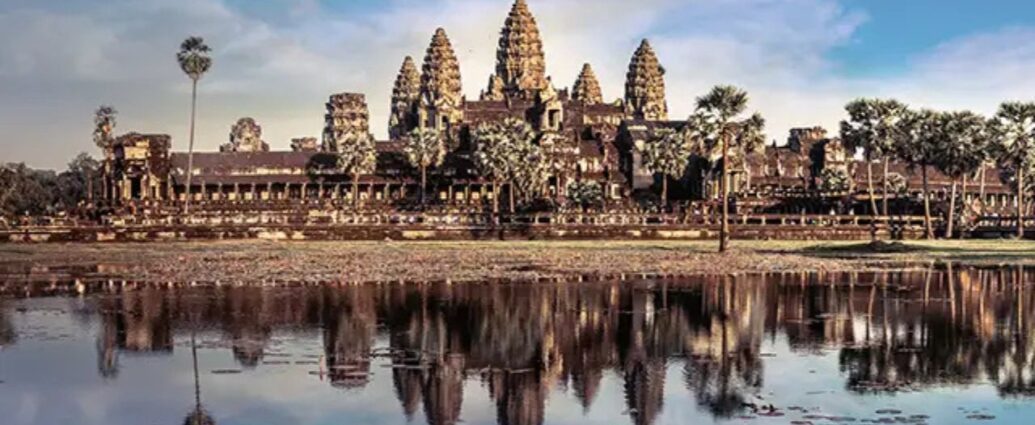
Cambodia is a fascinating country in Southeast Asia known for its ancient temples, rich Khmer culture, beautiful landscapes, and welcoming communities. Located between Thailand, Laos, and Vietnam, Cambodia offers a unique combination of historical landmarks, natural beauty, traditional cuisine, and modern cities. From the magnificent Angkor Wat to the lively streets of Phnom Penh, the country provides travelers with many experiences to discover.
Introduction to Cambodia
Cambodia, officially known as the Kingdom of Cambodia, is a Southeast Asian nation with a long and complex history. Its cultural identity is strongly connected with the ancient Khmer civilization, which reached remarkable heights during the Angkor period. Between the ninth and fifteenth centuries, the Khmer Empire became one of the most influential powers in mainland Southeast Asia.
Today, Cambodia is particularly famous for its historic temples and archaeological sites. However, the country is much more than its ancient monuments. Visitors can explore busy markets, peaceful countryside, tropical islands, forests, rivers, beaches, museums, and traditional villages.
Cambodia’s Geography
Cambodia is situated in mainland Southeast Asia. It shares borders with Thailand to the west and northwest, Laos to the north, and Vietnam to the east and southeast. The country also has a coastline along the Gulf of Thailand.
The Mekong River is one of the most important geographical features of Cambodia. Another major waterway is the Tonle Sap, which is closely connected with the country’s agriculture, fishing communities, and traditional way of life.
Cambodia’s landscape includes lowland plains, forests, mountains, rivers, lakes, and coastal areas. This geographical diversity gives the country opportunities for cultural tourism, adventure activities, wildlife experiences, and relaxing beach holidays.
A Brief History of Cambodia
Cambodia’s history is deeply connected with the development of the Khmer civilization. The Angkor period was particularly important because powerful rulers built enormous temples, reservoirs, roads, and other infrastructure.
The Khmer Empire reached its height between approximately the ninth and thirteenth centuries. During this era, Angkor became a major political, religious, and cultural center. Monumental architecture from this period continues to attract visitors from around the world.
In later centuries, Cambodia experienced political struggles and conflicts involving neighboring kingdoms. Phnom Penh eventually became an important center of Cambodian political life.
France began administering Cambodia in 1863, and the country later gained independence in 1953. Cambodia subsequently experienced decades of conflict, including the devastating period of Khmer Rouge rule. The country’s traditional culture and heritage suffered greatly during the years of war and political instability.
The modern era has brought greater stability and renewed efforts to preserve Cambodia’s historical and cultural heritage.
Angkor Wat and the Khmer Heritage
One of Cambodia’s most recognizable landmarks is Angkor Wat, located near Siem Reap. Built during the height of the Khmer Empire, the temple is one of the world’s most impressive examples of ancient religious architecture.
Angkor Wat was constructed in the first half of the twelfth century under King Suryavarman II. Its design reflects the concept of a temple-mountain, with the central towers representing Mount Meru in Hindu cosmology. The complex is also famous for its extensive bas-reliefs and detailed carvings.
The wider Angkor Archaeological Park contains numerous temples and historic structures, including Angkor Thom, Bayon, Ta Prohm, and Banteay Srei. The area was recognized by UNESCO as a World Heritage Site in 1992.
For many visitors, exploring Angkor is the highlight of a trip to Cambodia. Sunrise and sunset visits are especially popular because the changing light creates dramatic views of the ancient architecture.
Phnom Penh: The Capital of Cambodia
Phnom Penh is the capital and largest urban center of Cambodia. The city is situated near the meeting point of the Mekong, Bassac, and Tonle Sap rivers. Its history, architecture, markets, museums, restaurants, and riverside areas make it an important destination for travelers.
The Royal Palace and Silver Pagoda are among the city’s best-known attractions. Visitors can also explore the National Museum, Wat Phnom, Independence Monument, and local markets.
Wat Phnom is particularly interesting because it is connected with the traditional story behind the city’s name. The temple stands on a small hill and has been an important religious site for centuries.
Phnom Penh also provides an opportunity to understand Cambodia’s more recent history through museums and memorial sites.
Siem Reap and Tourism
Siem Reap is one of Cambodia’s most popular tourist destinations because it serves as the main gateway to Angkor. The city combines historic attractions with hotels, restaurants, markets, cultural performances, and entertainment.
Travelers can spend several days exploring the temples around Siem Reap. Beyond Angkor, the region also offers opportunities to experience local villages, traditional crafts, countryside landscapes, and Tonle Sap communities.
The official tourism resources for Cambodia highlight Siem Reap, Phnom Penh, coastal destinations, eco-tourism areas, and several other provinces as important places for visitors.
Cambodian Culture and Traditions
Cambodian culture has developed over many centuries and contains influences from indigenous traditions, Hinduism, Buddhism, and neighboring civilizations. Khmer is the country’s main language, while Buddhism has played a major role in Cambodian society and cultural development.
Traditional Cambodian art includes sculpture, architecture, music, dance, and handicrafts. Apsara dance is particularly famous for its graceful movements and connection with Cambodia’s classical cultural heritage.
Ancient Khmer artists created detailed sculptures and temple carvings depicting religious figures, mythical creatures, historical events, and scenes from everyday life. These artistic traditions remain an important part of Cambodia’s cultural identity.
Cambodian Food
Food is another important part of experiencing Cambodia. Cambodian cuisine uses ingredients such as rice, fish, vegetables, herbs, spices, coconut, and tropical fruits.
Amok is one of the country’s best-known dishes. It commonly consists of fish prepared with a fragrant mixture of coconut milk and spices. Other popular foods include kuy teav, lok lak, fresh spring rolls, grilled meats, and various rice dishes.
Local markets are excellent places to discover Cambodian food. Street vendors often provide inexpensive opportunities to try traditional snacks and meals while experiencing everyday local life.
Beaches and Natural Attractions
Although Cambodia is best known for its temples, it also has attractive coastal destinations. Areas around Sihanoukville, Kep, and nearby islands offer beaches, warm waters, seafood, and opportunities for relaxation.
The country also contains forests, mountains, waterfalls, and wildlife habitats. Eco-tourism has become an important part of Cambodia’s tourism offering, particularly in less-developed areas.
For travelers who prefer nature rather than large cities, Cambodia’s countryside can provide a quieter experience. Cycling, hiking, boat trips, and visits to rural communities are among the activities available in different parts of the country.
Why Visit Cambodia?
There are many reasons to include Cambodia on a Southeast Asian travel itinerary:
- Ancient history: The temples of Angkor provide an extraordinary connection with the Khmer Empire.
- Unique architecture: Angkor Wat and other temples showcase remarkable engineering and artistic skills.
- Rich culture: Traditional dance, music, crafts, religion, and festivals remain important parts of Cambodian life.
- Natural beauty: Rivers, forests, countryside, beaches, and islands provide diverse landscapes.
- Local cuisine: Cambodian food offers distinctive flavors and a wide variety of dishes.
- City experiences: Phnom Penh combines historical sites with modern restaurants, markets, and urban attractions.
- Warm hospitality: Visitors can experience Cambodia through its communities, traditions, and everyday culture.
Travel Tips for Cambodia
Travelers should plan their trip according to the places they want to visit and the season. Comfortable clothing is useful for exploring temples and outdoor attractions. Visitors to sacred sites should dress respectfully, covering their shoulders and knees where required. Cambodia’s tourism authorities emphasize appropriate clothing when visiting Angkor’s religious monuments.
It is also useful to carry water when visiting temple complexes because exploring large archaeological areas can involve considerable walking. Early morning visits can be more comfortable and provide excellent opportunities for photography.
Travelers should also learn a few basic Khmer words and phrases. Even simple greetings can make interactions with local people more enjoyable.
The Importance of Tourism in Cambodia
Tourism plays an important role in Cambodia’s economy and international identity. The country’s historical monuments, cultural traditions, natural attractions, and coastal destinations attract visitors from many parts of the world.
Tourism also supports hotels, restaurants, transportation providers, guides, artisans, markets, and local communities. The preservation of historical sites is therefore important not only for cultural reasons but also for the country’s tourism industry.
Cambodia’s official tourism resources provide information about destinations, transportation, travel guides, activities, and cultural attractions for visitors planning trips around the country.
Best Places to Explore in Cambodia
A Cambodia itinerary can include several different types of destinations. Siem Reap is ideal for travelers interested in Angkor and Khmer history. Phnom Penh offers museums, royal architecture, markets, and urban culture. Coastal areas provide opportunities for relaxation, while rural provinces allow visitors to experience a quieter side of the country.
Some notable destinations include:
- Angkor Wat – Cambodia’s internationally famous temple complex.
- Angkor Thom – A historic walled city associated with the Angkor Empire.
- Bayon Temple – Famous for its large carved faces.
- Ta Prohm – Known for its atmospheric combination of temple ruins and vegetation.
- Phnom Penh – The country’s capital and cultural center.
- Wat Phnom – A historic temple associated with the origins of Phnom Penh.
- Kep – A coastal destination known for seafood and seaside scenery.
- Kampot – A relaxed destination surrounded by countryside and natural attractions.
- Sihanoukville and nearby islands – Popular for beaches and coastal experiences.
- Battambang – Known for colonial architecture, arts, countryside, and cultural attractions.
Conclusion
Cambodia is a country where ancient history and modern life exist side by side. Its magnificent temples, especially Angkor Wat, reveal the extraordinary achievements of the Khmer civilization, while Phnom Penh and other cities demonstrate the country’s continuing development.
Beyond its famous monuments, Cambodia offers beautiful landscapes, distinctive cuisine, traditional arts, peaceful countryside, and coastal destinations. Whether someone is interested in history, culture, nature, photography, food, or adventure, Cambodia has something memorable to offer.
The country’s heritage is one of its greatest strengths. Exploring Cambodia is therefore not simply a journey through a Southeast Asian destination; it is an opportunity to discover the history, traditions, and resilience of a remarkable nation.