
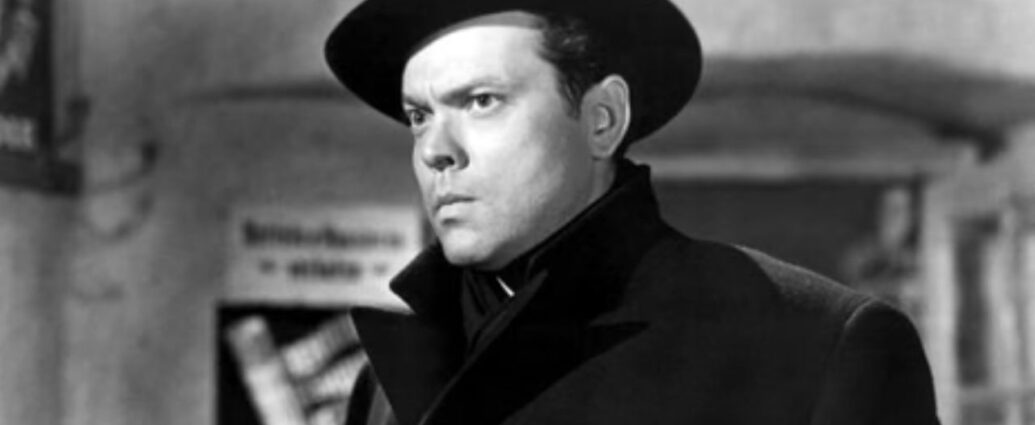
Orson Welles was one of the most influential figures in the history of American entertainment. Best known as the director, co-writer, producer, and star of Citizen Kane, Welles worked across film, radio, theater, and television. His career was marked by extraordinary creativity, technical experimentation, and a determination to tell stories in unconventional ways.
Even decades after his death, Orson Welles remains an important subject for film students, historians, actors, directors, and audiences interested in the development of modern cinema.
Who Was Orson Welles?
Orson Welles was an American actor, director, writer, producer, and broadcaster. He became famous at a remarkably young age through his work in theater and radio before moving into Hollywood filmmaking.
His reputation grew rapidly because of his ambitious approach to storytelling. Rather than limiting himself to acting, Welles wanted to control many aspects of production, including directing, writing, performance, editing, and visual design.
His feature-film directing debut, Citizen Kane, was released in 1941 when Welles was only 26 years old. The film later became one of the most celebrated works in cinema history. The Academy notes that the movie received nine Oscar nominations and won for its original screenplay by Welles and Herman J. Mankiewicz.
Early Career of Orson Welles
Before becoming a Hollywood filmmaker, Welles developed his reputation in theater and radio. His early theatrical work helped him establish the Mercury Theatre, a creative organization associated with innovative productions.
Welles was interested in adapting classic stories for modern audiences. His theatrical experience also influenced his later filmmaking style, particularly his use of dramatic performances, expressive lighting, complex dialogue, and carefully constructed scenes.
The Mercury Theatre became an important part of his artistic identity. Several performers associated with the group later appeared in Citizen Kane and other Welles projects.
Orson Welles and Radio
Radio played a major role in Welles’s rise to national fame. He became known for using the medium’s sound and dramatic possibilities in creative ways.
His work with the Mercury Theatre on the Air demonstrated how radio could create powerful imaginary worlds without visual images. Welles used narration, music, sound effects, dialogue, and changes in pacing to create dramatic experiences for listeners.
His radio career helped establish him as a major public personality before he became a Hollywood director.
Citizen Kane
Citizen Kane is the film most closely associated with Orson Welles. Released in 1941, it tells the story of Charles Foster Kane, a wealthy and powerful newspaper publisher whose life is investigated by a reporter attempting to understand the meaning of his final word.
The film is known for its unusual narrative structure, deep-focus photography, creative camera angles, sophisticated sound design, and innovative editing. The Academy describes it as a landmark achievement whose influence on cinema has continued for decades.
Welles directed the film and played its central character. He also shared the original screenplay credit with Herman J. Mankiewicz.
At the 14th Academy Awards, Citizen Kane received nine nominations, including nominations for Best Actor, Directing, and the film itself. Welles and Mankiewicz won the Oscar for their original screenplay.
Why Citizen Kane Was So Important
One reason Citizen Kane remains important is its willingness to break traditional filmmaking conventions.
The movie uses different perspectives to tell the story of one man’s life. Instead of presenting events in a simple chronological order, it gradually reveals information through the memories and experiences of different characters.
The visual style was equally influential. Cinematographer Gregg Toland’s deep-focus photography allowed important elements in the foreground and background to remain visible simultaneously. The film also made extensive use of striking compositions, unusual camera positions, shadows, and carefully controlled lighting.
These techniques helped demonstrate that film could be both a popular form of entertainment and an ambitious artistic medium.
The Magnificent Ambersons
Following Citizen Kane, Welles directed The Magnificent Ambersons, released in 1942. The movie was based on Booth Tarkington’s novel about a wealthy American family experiencing social and economic change.
The Academy describes the film as an ambitious follow-up to Citizen Kane. Welles was only 27 when he directed it.
Although the film did not achieve the same cultural impact as Citizen Kane, it is now regarded as an important part of Welles’s body of work. Its themes of changing society, family relationships, modernization, and lost privilege reflect concerns that appeared repeatedly in his films.
Other Important Films by Orson Welles
Welles directed and acted in many films throughout his career. His filmography includes works in several genres, including drama, mystery, film noir, literary adaptation, and psychological cinema.
Some of his notable films include:
- Citizen Kane (1941)
- The Magnificent Ambersons (1942)
- The Stranger (1946)
- The Lady from Shanghai (1947)
- Macbeth (1948)
- Othello (1951)
- Mr. Arkadin (1955)
- Touch of Evil (1958)
- The Trial (1962)
- Chimes at Midnight (1965)
- F for Fake (1973)
These movies demonstrate the wide range of Welles’s interests. The Academy’s retrospective of his work highlights his inventive cinematography, editing, overlapping dialogue, montage, and recurring interest in themes such as power, corruption, deception, and uncomfortable truths.
The Lady from Shanghai
The Lady from Shanghai is one of Welles’s best-known film noirs. Released in 1948, the movie stars Welles alongside Rita Hayworth.
The story follows Michael O’Hara, a sailor who becomes involved in a complicated and dangerous relationship. The film is particularly famous for its unusual visual style and its memorable hall-of-mirrors sequence.
The Academy describes the movie as a visually inventive noir and highlights its distinctive set pieces and experimental style.
The film demonstrates Welles’s ability to combine suspense, visual experimentation, complicated characters, and psychological tension.
Orson Welles as an Actor
Although Welles is frequently remembered as a director, he was also a highly accomplished actor.
His deep voice and distinctive presence made him immediately recognizable. He often played powerful, mysterious, eccentric, or morally complicated characters.
His performances were not limited to his own films. He appeared in numerous productions as an actor, allowing him to remain active in the entertainment industry even when financing or production difficulties prevented him from directing.
This combination of acting and filmmaking made Welles unusual among major directors of his generation.
Orson Welles and Shakespeare
Shakespeare was another major influence on Welles. He adapted and performed Shakespearean works throughout his career.
His film Macbeth brought Shakespeare’s tragedy to the screen, while Othello represented another ambitious attempt to adapt Shakespeare through an independent filmmaking process.
Welles’s interest in Shakespeare began during his theatrical career and continued throughout his life. He was attracted to the playwright’s themes of ambition, jealousy, power, betrayal, identity, and political conflict.
Touch of Evil
Touch of Evil, released in 1958, is widely regarded as one of Welles’s important later films. The movie combines crime, corruption, suspense, and film-noir aesthetics.
Welles’s direction is particularly notable for its dramatic compositions and elaborate camera movements. The film demonstrates his continuing interest in pushing the technical boundaries of cinema.
The Academy includes Touch of Evil among the works that demonstrate Welles’s craftsmanship and inventive approach to filmmaking.
Challenges in Hollywood
Welles’s career was not always easy. His creative ambitions often conflicted with studio expectations, financial limitations, and production circumstances.
After the enormous expectations created by Citizen Kane, he faced difficulties maintaining complete artistic control over later projects.
The Magnificent Ambersons, for example, underwent significant changes during its production and release. These experiences contributed to Welles’s increasingly independent approach to filmmaking.
Rather than abandoning cinema, he continued searching for financing and production opportunities in different countries.
Orson Welles as an Independent Filmmaker
Welles eventually became known for working outside the traditional Hollywood system. He often had to find unconventional ways to finance and complete his projects.
This independence allowed him to explore subjects and styles that might not have been supported by major studios. At the same time, it made production slower and more difficult.
Some of his later films went through complicated production histories, alternate versions, or incomplete stages. Nevertheless, his determination to continue creating remained one of the defining characteristics of his career.
Orson Welles’s Filmmaking Style
Several characteristics are strongly associated with Welles’s filmmaking.
Innovative Camera Work
Welles frequently experimented with camera angles, perspective, lighting, and composition. He understood that the camera could communicate information and emotion rather than simply record actors.
Deep Focus
Deep-focus photography became one of the most recognizable visual features of Citizen Kane. It allowed multiple areas of the image to remain visually important at the same time.
Complex Sound Design
Because of his radio background, Welles had an unusually strong understanding of sound. Dialogue, music, silence, and sound effects often contribute significantly to the atmosphere of his films.
Nonlinear Storytelling
Welles frequently presented stories through memories, investigations, flashbacks, and multiple perspectives. This approach encouraged audiences to actively piece together the truth.
Strong Characters
His films often focus on ambitious, powerful, isolated, or morally conflicted individuals. Characters frequently struggle with questions involving identity, authority, wealth, love, or personal failure.
Orson Welles’s Influence on Cinema
The influence of Orson Welles extends far beyond Citizen Kane. His willingness to experiment with film language helped inspire later generations of directors.
His techniques influenced cinematography, editing, sound design, narrative structure, and performance.
The Academy describes Welles as a trailblazing director whose work demonstrates technical expertise and a distinctive creative vision.
Film scholars continue to study his work because his movies can be examined from many perspectives. They can be appreciated for their visual design, storytelling, acting, political themes, technical innovations, and historical significance.
Orson Welles’s Legacy
Orson Welles left a lasting legacy in film, theater, radio, and popular culture. His career demonstrates both the possibilities and difficulties of artistic independence.
Citizen Kane remains his most famous achievement, but concentrating exclusively on that film can overlook the enormous range of his other work. Movies such as The Magnificent Ambersons, The Lady from Shanghai, Touch of Evil, and The Trial reveal different aspects of his artistic personality.
His influence remains visible whenever filmmakers experiment with narrative structure, camera movement, sound, editing, or unconventional production methods.
Conclusion
Orson Welles was far more than the director of Citizen Kane. He was an actor, writer, producer, broadcaster, theater artist, and filmmaker who constantly experimented with the possibilities of storytelling.
From his early success in radio and theater to his groundbreaking Hollywood debut and later independent productions, Welles built a career unlike that of almost any other filmmaker.
His work continues to attract new audiences because it combines technical innovation with complex human stories. For anyone interested in the history of cinema, Orson Welles remains an essential figure whose creative ideas continue to influence filmmaking today.