
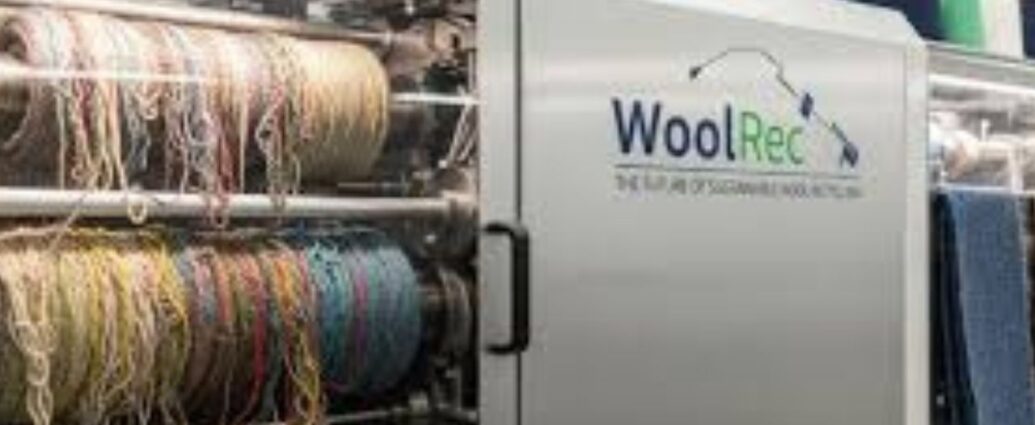
As industries continue to embrace innovation and sustainability, new concepts and brand identities regularly emerge to address evolving consumer and business needs. One such term gaining attention is Woolrec. While its exact definition may vary depending on context, Woolrec is often associated with sustainability, resource management, recycling initiatives, and modern material innovation.
The growing global focus on environmental responsibility has increased interest in concepts that support efficient resource use and sustainable production practices. Woolrec reflects this broader movement toward smarter and more environmentally conscious solutions.
What Is Woolrec?
Woolrec can be interpreted as a concept, project, platform, or initiative connected to the collection, recycling, management, or innovative use of wool and related materials. The name itself suggests a combination of the words “wool” and “recycling” or “resource recovery.”
Depending on the context, Woolrec may refer to:
- A wool recycling initiative
- A sustainable textile project
- A resource recovery program
- An environmentally focused brand
- A circular economy solution
As sustainability becomes increasingly important, concepts like Woolrec align with efforts to reduce waste and maximize resource efficiency.
The Importance of Wool Recycling
Wool is a natural fiber valued for its durability, insulation, and versatility. However, like many textile materials, wool products can contribute to waste when not properly reused or recycled.
Recycling wool offers several benefits:
Waste Reduction
Recycling helps divert textile waste from landfills and extends the lifecycle of valuable materials.
Resource Conservation
Recovering wool fibers reduces the demand for new raw materials and supports sustainable production.
Environmental Protection
Efficient recycling processes can help lower environmental impacts associated with manufacturing and disposal.
Economic Opportunities
The recycling industry creates new markets, jobs, and business opportunities related to material recovery and processing.
Core Principles of Woolrec
Sustainability
Woolrec promotes environmentally responsible practices that reduce waste and encourage resource conservation.
Circular Economy
The concept supports keeping materials in use for as long as possible through reuse, repair, and recycling.
Innovation
Modern recycling technologies help improve material recovery rates and product quality.
Efficiency
Effective collection, sorting, and processing systems contribute to better resource utilization.
Community Engagement
Public awareness and participation play important roles in successful recycling initiatives.
Key Features of Woolrec
Material Recovery Systems
Wool rec may include processes designed to collect and recover wool fibers from used products.
Sustainable Manufacturing
Recovered materials can be transformed into new products, reducing dependence on virgin resources.
Quality Preservation
Advanced recycling techniques help maintain fiber quality and usability.
Environmental Monitoring
Many sustainability-focused initiatives track their environmental impact to support continuous improvement.
Industry Collaboration
Partnerships between manufacturers, recyclers, and consumers can strengthen circular economy efforts.
Benefits of Woolrec
Reduced Environmental Impact
Recycling wool can lower waste generation and minimize resource consumption.
Cost Savings
Businesses may benefit from reduced material costs through the use of recycled fibers.
Enhanced Brand Reputation
Organizations that embrace sustainability often attract environmentally conscious consumers.
Resource Efficiency
Recovered materials contribute to more efficient production systems.
Support for Sustainable Development
Wool rec aligns with global efforts to promote responsible consumption and production.
Applications of Woolrec
Textile Manufacturing
Recycled wool can be used to create clothing, blankets, upholstery, and other textile products.
Home Furnishings
Manufacturers can incorporate recycled wool into carpets, insulation materials, and decorative items.
Construction
Wool-based insulation products contribute to energy-efficient building solutions.
Fashion Industry
Sustainable fashion brands increasingly seek recycled materials to reduce their environmental footprint.
Industrial Uses
Recovered wool fibers can serve specialized applications across various industries.
Challenges Facing Wool Recycling
Despite its potential benefits, wool recycling faces several challenges:
Collection Logistics
Efficient systems are needed to gather used wool products from consumers and businesses.
Material Sorting
Separating wool from blended fabrics can be technically demanding.
Processing Costs
Advanced recycling technologies may require significant investment.
Consumer Awareness
Public participation is essential for successful recycling programs.
Quality Management
Maintaining consistent quality standards remains important for market acceptance.
The Future of Woolrec
As sustainability becomes a higher priority worldwide, concepts like Wool rec are expected to gain momentum. Future developments may include:
- Automated sorting technologies
- Artificial intelligence-assisted recycling systems
- Expanded circular economy programs
- Greater industry collaboration
- Increased consumer participation
These advancements could significantly improve recycling efficiency and support long-term environmental goals.
Why Woolrec Matters
Modern consumers increasingly seek products and services that align with sustainable values. Wool rec represents an approach that combines environmental responsibility, resource efficiency, and innovation to address growing concerns about waste and sustainability.
By supporting material recovery and circular economy principles, Wool rec contributes to a more sustainable future.
Conclusion
Woolrec symbolizes the growing importance of sustainability, recycling, and responsible resource management in today’s world. Whether viewed as a recycling initiative, environmental concept, or innovative industry solution, it highlights the potential of wool recovery to reduce waste and create long-term value.
As industries continue to prioritize environmental stewardship, Woolrec and similar initiatives are likely to play an increasingly significant role in shaping the future of sustainable production and consumption.