
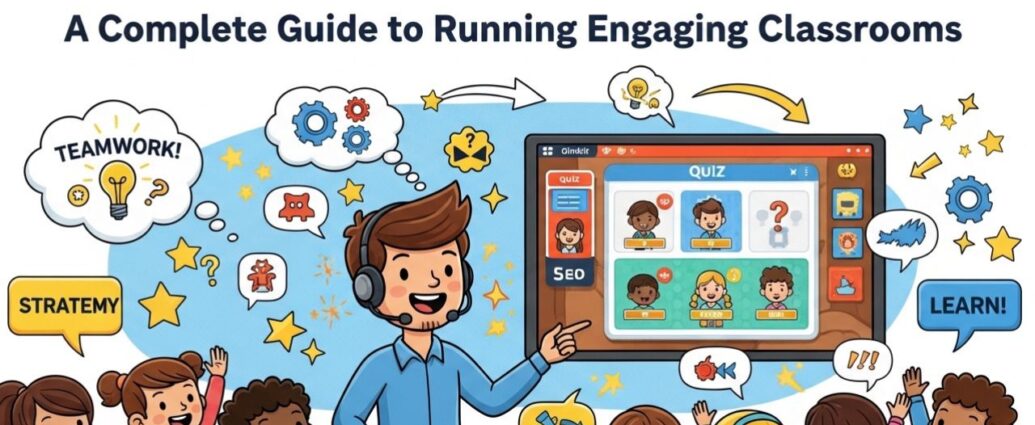
In today’s digital learning environment, interactive tools play a crucial role in keeping students engaged. One such powerful platform is Gimkit, which allows educators to create fun, game-based quizzes. At the heart of this platform is the Gimkit host—the person responsible for launching and managing live games.
This article explores what a Gimkit host is, how to host a game, key features, benefits, and tips to maximize engagement.
What Is a Gimkit Host?
A Gimkit is typically a teacher or facilitator who starts and controls a live Gimkit session. The host selects the quiz (called a “kit”), chooses game modes, adjusts settings, and monitors student progress in real time.
Unlike traditional quizzes, Gimkit adds a gaming layer where students earn virtual money, upgrade abilities, and compete in a dynamic environment.
How to Host a Gimkit Game
1. Create or Select a Kit
Before hosting, you need a set of questions. You can:
-
Create your own quiz
-
Import questions from spreadsheets
-
Use public kits shared by other educators
2. Click “Play”
Once your kit is ready:
-
Click the Play button
-
Choose a game mode (Classic, Team Mode, Trust No One, etc.)
3. Adjust Game Settings of link
As a host, you can customize:
-
Time limits
-
Cash earnings
-
Power-ups
-
Student participation options
4. Share the Game Code of link
Students join using:
-
A game code
-
A direct link
5. Start and Monitor the Game of link
The host can:
-
Track scores live
-
Pause or end the game
-
View detailed performance reports
Popular Gimkit Game Modes
Gimkit offers a variety of modes to keep learning exciting:
-
Classic Mode – Individual competition
-
Team Mode – Collaborative learning
-
Trust No One – Strategy-based gameplay (similar to Among Us)
-
The Floor is Lava – Fast-paced survival challenge
Each mode changes how students interact with the content, making the host’s role more dynamic.
Benefits of Being a Gimkit Host
1. Increased Student Engagement
Game-based learning motivates students more than traditional quizzes.
2. Real-Time Feedback
Hosts can instantly see which concepts students understand or struggle with.
3. Customizable Learning Experience
Flexible settings allow teachers to adapt games for different skill levels.
4. Encourages Active Participation
Students are more likely to participate when learning feels like a game.
Tips for Hosting a Successful Gimkit Session
-
Keep games short and focused to maintain attention
-
Use different game modes to avoid repetition
-
Encourage friendly competition without pressure
-
Review results after the game for better understanding
-
Test settings beforehand to avoid technical issues
Common Challenges and Solutions
| Challenge | Solution |
|---|---|
| Students distracted by gameplay | Set clear learning goals |
| Technical issues | Test internet and settings before class |
| Over-competition | Use team-based modes |
| Limited time | Choose shorter game formats |
Gimkit Host vs. Other Quiz Platforms
Compared to platforms like Kahoot or Quizizz, Gimkit stands out because:
-
Students earn and spend virtual money
-
Games are strategy-based, not just speed-based
-
Hosts have deeper control over gameplay mechanics
Conclusion on Gimkit host
Being a Gimkit host goes beyond simply running a quiz—it involves creating an engaging, interactive learning experience. With the right approach, teachers can turn ordinary lessons into exciting competitions that boost both participation and retention.
Whether you’re new to Gimkit or looking to improve your sessions, mastering the role of a host can significantly enhance your teaching effectiveness.